
Amenity Management: Best Practices for Pools, Parks, and Common Areas
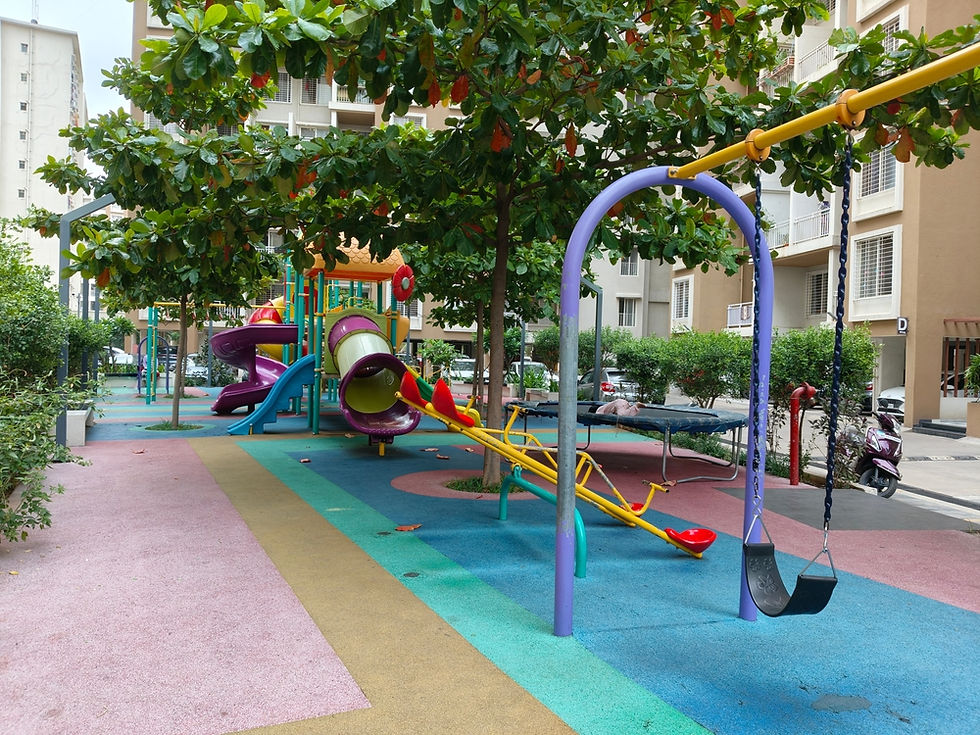
Shared amenities are a major reason people choose to buy in a planned community. The pool, the park, the clubhouse, the walking trails. These features shape daily life and drive property values across North Texas neighborhoods. A well-kept pool area tells prospective buyers that this community takes pride in what it owns.
But that value comes with a cost. Amenities represent the highest operational risk and the largest long-term expense on most HOA balance sheets. A single liability incident at an unsecured pool can expose the Board to legal action. Deferred maintenance on a playground can result in a special assessment that catches every homeowner off guard. The paradox is real: the features residents love most are the ones that require the most disciplined management.
Professional community association management exists to close that gap. Gulf PPM helps Boards across the Dallas-Fort Worth area build the systems, schedules, and safeguards that keep amenities safe, functional, and financially sustainable for the long term.
Safety and Liability: The Board's Primary Responsibility
When something goes wrong at a community amenity, the Board is often the first place liability lands. That reality should shape how every inspection, repair, and access policy gets handled.
Regular safety inspections are not optional. Playground equipment needs to be checked for loose hardware, splintered surfaces, and fall zone conditions. Pool decks need to be examined for slip hazards, broken drains, and chemical compliance. These inspections should be documented every time. Written records are the Board's best protection if a claim is ever filed.
Texas law also imposes specific requirements on how pool areas are posted and secured. Signage stating "No Lifeguard on Duty" is not just a courtesy notice. It is a legal requirement under the Texas Health and Safety Code for public swimming pools, and HOA pools fall under that framework. Missing or incorrect signage creates direct exposure for the association.
The "attractive nuisance" doctrine adds another layer of responsibility. Under this legal standard, a property owner can be held liable if an unsecured feature, like a pool or playground, attracts and injures a child, even if that child was trespassing. Proper fencing, self-latching gates, and controlled access through key fobs or gate codes are not just conveniences. They are liability management tools. Texas HOA management professionals help Boards evaluate whether their current access controls meet the standard of care courts and insurers expect to see.
Access Control and Technology: Modernizing Resident Usage
Physical keys have a short shelf life in community management. They get copied, lost, and handed off to people who no longer live in the community. Once a key is out there, tracking who has access becomes nearly impossible.
Cloud-based digital access systems fix that. Key fobs and app-based credentials can be activated or deactivated the same day a homeowner sells, moves out, or falls behind on assessments. No lock changes. No hardware recalls. Gulf PPM helps Boards evaluate and implement these systems as part of a broader HOA amenity management strategy, matching the right technology to the community's size and budget.
Clubhouse rentals, pavilion bookings, and private pool hours all create scheduling and liability exposure if there's no system behind them. Gulf PPM manages these functions through integrated resident portals, giving homeowners a clear way to submit requests and giving Boards a documented record of every transaction.
Restricting access for residents not in good standing is one of the more sensitive areas a Board faces. The authority is there in most governing documents, but applying it inconsistently or without documentation creates legal risk. Gulf PPM helps Boards apply those restrictions by the book, every time, so the process holds up if it's ever challenged.
Maintenance Schedules: Protecting the Association's Largest Assets
There are two types of maintenance, and confusing them is expensive.
Routine maintenance covers the day-to-day work that keeps amenities clean and presentable. Trash removal, restroom cleaning, pool chemical checks, and lawn care around common areas all fall into this category. It is visible, recurring, and relatively predictable in cost.
Preventative maintenance is different. This is the scheduled, proactive work that extends the life of physical assets before they fail. Pool resurfacing on a regular cycle, irrigation system inspections before summer, parking lot sealing before winter weather cycles create cracks, and playground equipment replacement based on manufacturer lifecycles all fall here. This work is easy to skip when budgets are tight. Skipping it is almost always the more expensive choice.
When preventative maintenance gets deferred, small problems become large ones. A pool surface that needed resurfacing three years ago now needs full reconstruction. An irrigation valve that needed a seasonal check now needs a full system replacement. These costs do not show up gradually. They arrive all at once, and the usual solution is a special assessment that surprises every homeowner in the community.
HOA amenity management requires sourcing vendors who specialize in the specific asset being maintained. A general landscaping crew is not the right call for a retention pond that serves a drainage function. A general contractor is not the right call for a tennis court resurfacing project. Gulf PPM maintains relationships with specialized vendors across the DFW area and manages the bidding process to ensure Boards get qualified contractors at fair prices.
Budgeting for the Future: Amenities and the Reserve Study
A Reserve Study is the financial backbone of any well-run homeowner association. It catalogs every major asset, estimates remaining useful life, and projects how much the association needs to set aside each year. Without one, a Board is making financial decisions without a map.
Amenities have to be central to that study. Pools, clubhouses, sports courts, and playground structures all carry predictable replacement costs when maintained properly. North Texas communities built in the 1990s and early 2000s are facing that reality right now. Aging infrastructure and underfunded reserves are arriving at the same time, and the result is often a special assessment that no one saw coming.
That's where homeowner association management makes a measurable difference. Gulf PPM works with Boards to build budgets grounded in actual replacement timelines, not optimistic assumptions. When dues increases are necessary, Gulf PPM helps Boards communicate the reasoning to homeowners in plain language. A modest annual increase is always an easier conversation than a large lump-sum assessment.
The goal is not to spend more. It's to spend ahead of the problem. Well-funded reserves and professionally managed amenities protect property values. Gulf PPM helps Boards make that case to their communities with real numbers behind it.
Keep Your Amenities a Selling Point with Gulf PPM
North Texas communities that invest in professional HOA amenity management are not spending more. They are spending smarter. Safety inspections, access controls, preventative maintenance cycles, and Reserve Study discipline all reduce the likelihood of the costly surprises that erode homeowner trust and community value alike.
Gulf PPM brings over 59 years of combined experience in community association management to every partnership. Boards make the decisions. Gulf PPM provides the framework, the vendor relationships, and the operational expertise that makes those decisions sound. Contact us today to learn more about how we can help keep your amenities accruing value.


Comments